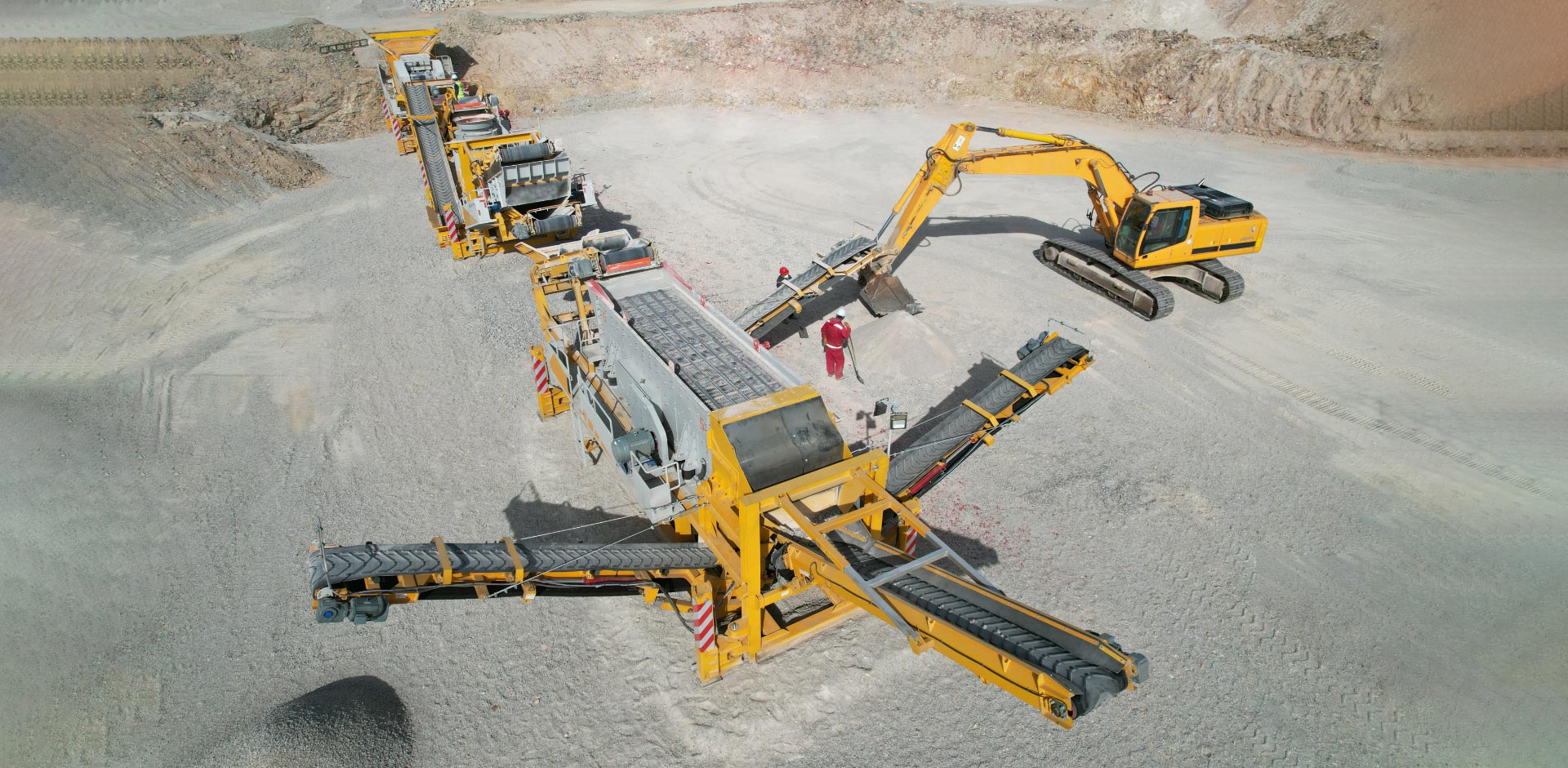
The modern jobsite is a study in logistical precision, a dynamic environment where material processing must occur with surgical accuracy and brute force in equal measure. Gone are the days when raw demolition debris was carted away to distant static plants, incurring prohibitive transportation costs and carbon penalties. The paradigm has shifted decisively toward on-site processing, and at the epicenter of this evolution stands the track jaw crusher. This is not merely a piece of heavy machinery; it is a fully integrated, mobile primary processing plant. Its engineering represents a masterful confluence of robust power, unparalleled mobility, and consistent, high-performance output. To understand its pivotal role in contemporary construction, demolition, and recycling, one must dissect the core engineering principles that allow these titans to transform sprawling piles of rubble into valuable, graded aggregate with such remarkable efficiency.
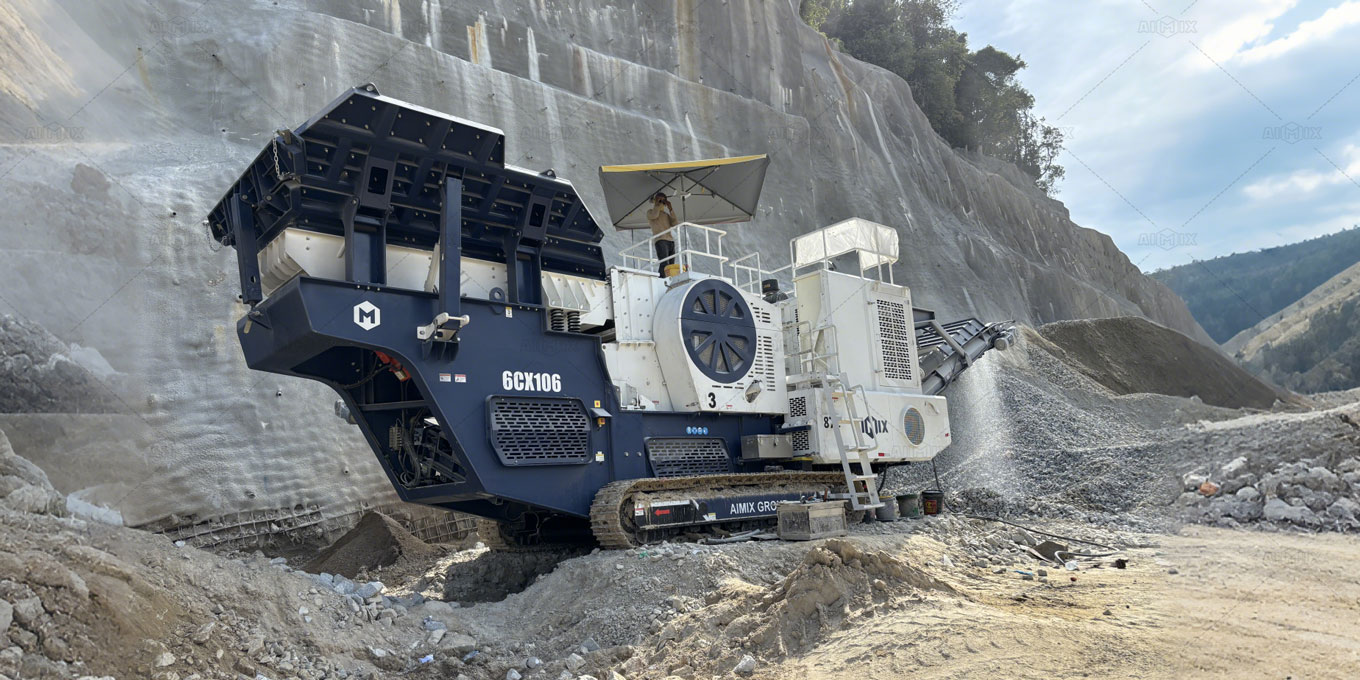
Powertrain and Hydraulic Systems: The Sinews of Operation
The prodigious capability of a track-type jaw crusher begins deep within its mechanical core, specifically within the symbiotic relationship between its powertrain and hydraulic systems. These are not discrete entities but rather an integrated network designed to translate raw energy into controlled, destructive force. The prime mover, typically a high-torque diesel engine, provides the essential horsepower. However, it is the sophisticated hydraulic architecture that truly distinguishes modern engineering.
Direct Drive vs. Hydrostatic Configuration
Engineers face a fundamental choice in configuring power transmission: direct mechanical drive or hydrostatic systems. Direct drive, often utilizing clutches and belts, offers a fixed ratio, providing efficient power transfer under consistent loads. Yet, the exigencies of a crushing environment demand adaptability. This is where hydrostatic systems excel, utilizing hydraulic pumps and motors to provide infinitely variable speed control. This allows the operator to match the jaw stone crusher‘s speed precisely to the material’s hardness and feed rate, mitigating the risk of stalling under an onslaught of dense, reinforced concrete. This finesse in power delivery is crucial for maximizing throughput while protecting the machinery from the deleterious effects of sudden, extreme load fluctuations. The integration of both, in sophisticated parallel configurations, represents the zenith of current design, offering the fuel efficiency of direct drive with the responsiveness of hydraulics.
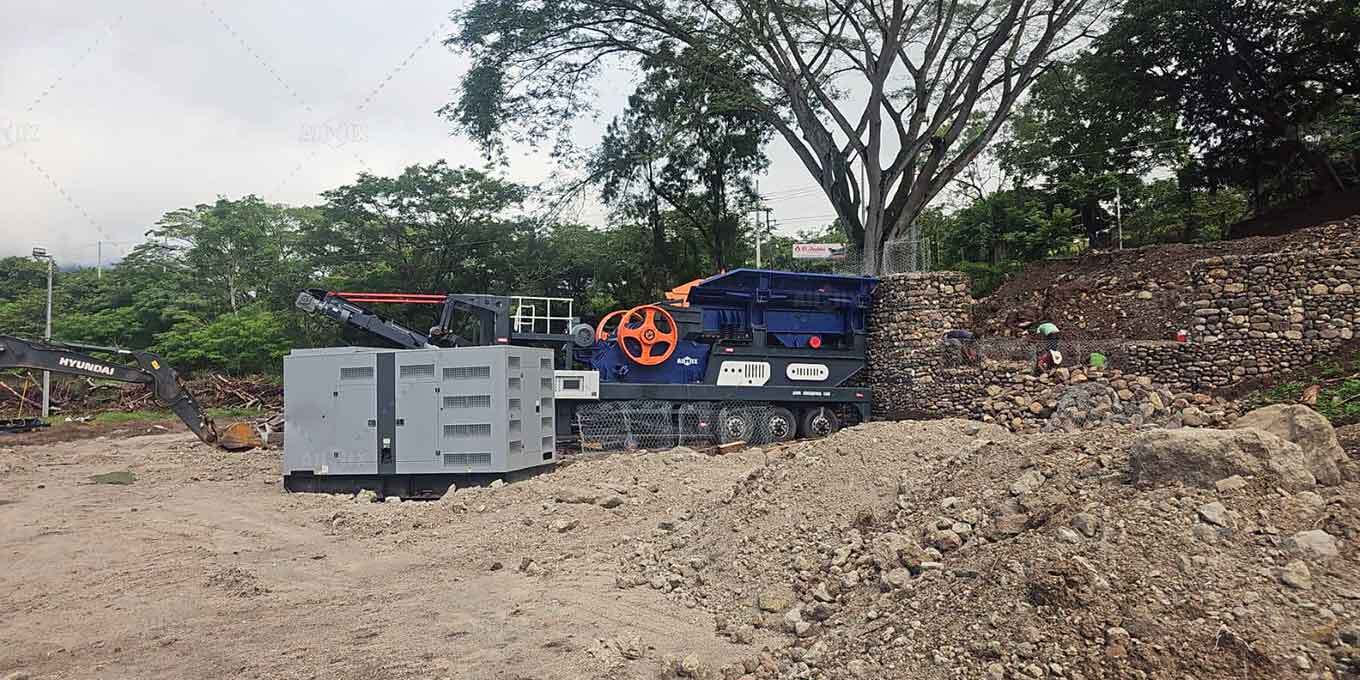
Intelligent Load Management and Sensors
Beyond mere power transmission, contemporary crushers employ a network of sensors and electronic control units (ECUs) that govern the entire process. These systems continuously monitor the load on the jaw, the chamber level, and the engine rpm. When the track crusher encounters an uncrushable object or an overload condition, the system can hydraulically lower the swing beam, widening the discharge setting to eject the offending material. This automatic relief function, a feat of mechatronic engineering, prevents catastrophic damage and minimizes downtime. Furthermore, these intelligent systems optimize fuel consumption by automatically reducing engine speed during periods of low demand, a testament to how software and hardware coalesce to enhance both performance and operational economy in these formidable machines.
Mobility and Site Navigation: The Track System’s Imperative
The defining characteristic that liberates the jaw crusher from the confines of a fixed location is its robust tracked undercarriage. This is far more than a simple set of wheels; it is a purpose-built mobility platform engineered for the most arduous terrain. The track system transforms the crusher from a stationary industrial tool into an agile, self-propelled asset that can be repositioned with precision as the jobsite evolves. This on-site maneuverability eradicates the need for multiple material-handling steps, as the crusher can follow the excavator, staying proximal to the source of the rubble. This logistical advantage compresses project timelines and significantly reduces material handling costs, fundamentally redefining the workflow of large-scale demolition and recycling projects.
Traction, Ground Pressure, and Flotation
The engineering of the track frames and shoes is a meticulous exercise in balancing traction with ground pressure. Wide, heavy-duty track shoes distribute the immense weight of the crusher—often exceeding 50 tons—over a broad surface area. This creates low ground pressure, allowing the machine to traverse soft, unstable ground like demolished building sites or wet landfill surfaces without becoming immobilized. The grouser bars on the shoes dig into loose debris, providing the requisite traction to climb gradients and navigate uneven piles. This capability for ‘flotation’ ensures that the machine remains operational in conditions that would mire lesser equipment, providing a consistent operational presence regardless of the substrate’s integrity. It is this marriage of massive weight and intelligent weight distribution that grants the mobile crusher its omnipresent mobility on the chaotic modern jobsite.
Crushing Chamber Dynamics: Achieving Optimal Throughput
Ultimately, the performance of a jaw crusher is adjudicated by what occurs within the crushing chamber itself. The geometry of this chamber, defined by the fixed and movable jaws, is the result of extensive finite element analysis and empirical testing. It is a dynamic space where rock and concrete are subjected to immense compressive stresses, fracturing along natural planes of weakness. The engineering objective is to maximize reduction ratios—the size reduction from feed to product—while maintaining a consistent, cubical product shape and a high throughput rate. Every curve and angle of the jaw dies is calculated to ensure efficient material grip and prevent slippage, which would erode capacity and increase wear.
The Swing Jaw Motion and Nip Angle
The eccentric shaft’s rotation dictates the complex motion of the swing jaw. This is not a simple back-and-forth movement but an elliptical one, which crushes material at the top of the chamber while simultaneously drawing it downward by gravity. This combined motion is critical for continuous flow. A pivotal parameter in this dynamic is the ‘nip angle’—the angle formed between the fixed and movable jaws at the feed opening. If this angle is too steep, material may be ejected from the chamber; if too shallow, the machine will struggle to grip and crush larger feed sizes. Optimizing the nip angle through chamber design ensures that the material is effectively captured and reduced in a single pass through the crushing zone. This meticulous attention to kinematic geometry allows modern track-type jaw crushers to deliver the prodigious power and consistent performance that modern infrastructure projects demand, turning the remnants of the old into the foundation of the new with relentless, engineered efficiency.